Rafika: A Modern Script Font for Polished Branding
I was sitting in my studio, staring at the mockup for a new line of candle labels. The artwork was lovely, the colors were perfect, but everything felt… a little flat. The standard sans-serif font I’d used on the draft was clean, but it lacked personality. It didn’t whisper “handcrafted” or “special.” It just stated the facts. That’s when I remembered Rafika, a modern script font I’d been testing for smaller, heartfelt projects. I swapped the typeface, and instantly, the entire label transformed. The product name suddenly felt like a signature, a personal touch. That’s the power of the right typography. It’s not just letters; it’s tone of voice.
What Makes Rafika a Fresh Choice for Business Materials
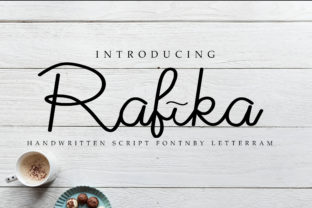
Rafika is a script font with a distinctively fresh style. It doesn’t feel overly formal or traditional, nor is it overly casual or messy. It strikes a beautiful balance—it’s elegant without being stiff, friendly without being childish. The letters flow with a clean, contemporary handwritten feel, making it perfect for brands that want to appear approachable yet professional. When you’re building a visual identity for a small business, this personality is crucial. A font like Rafika can convey warmth and craftsmanship, which is exactly what customers often seek from boutique bakeries, skincare lines, independent cafés, or handmade goods shops.
Using Rafika for Logos and Consistent Brand Identity
Implementing Rafika for your main logo can set the entire mood for your brand. For a small business, your logo isn’t just a graphic; it’s the first handshake with a potential customer. I’ve seen Rafika work beautifully for a local bakery’s logo stamped on their boxes—it made the brand name feel baked-in and authentic. For a beauty brand, using Rafika for the logo on product labels added a touch of personal care and artistry. Because it’s a script font, it naturally lends itself to being a display element, perfect for the focal point of your branding. Once you establish Rafika in your logo, you can extend that feel across other materials to create a cohesive look.
Rafika for Product Labels and Packaging Design
This is where Rafika truly shines for commercial use. When applied to product labels, packaging, or tags, the font adds a layer of perceived value. Think about a candle jar: a clean, generic font might just tell you it’s a “Sandalwood Candle.” But when the name is rendered in Rafika, it feels more like a curated, named creation. The same applies to boutique clothing tags, artisan food packaging, or specialty coffee bags. The key is to use it for the product name or a short, impactful phrase. Its readability is excellent at larger sizes, but for very small secondary text (like ingredients or disclaimers), pairing it with a simple sans-serif font is advisable. This combination keeps the design legible and balanced.
Building Social Media Graphics with the Rafika Font
Consistency across your online presence is vital, and Rafika can be your anchor. Using this script font for key text in your Instagram post templates, shop banner headlines, or promotional graphics ensures your brand feels the same everywhere. A café can use Rafika to announce a new seasonal drink on their social posts, making the announcement feel special and handwritten. An online shop can use it in banners to highlight a “Summer Collection” or “Thank You” message to customers. This repetition builds recognition—customers start to associate that elegant, fresh handwritten style with your business, building trust and memorability even in a fast-scrolling digital space.
Practical Applications: Rafika for Wedding Invitations and Business Cards
The versatility of Rafika extends beautifully into touchpoints that require a personal feel. For businesses that intersect with events or personal services—like florists, planners, or photographers—using Rafika for client-facing materials like wedding invitations or thank-you cards elevates the entire experience. It makes the communication feel bespoke. Similarly, for any small business owner, a business card printed with your name and title in Rafika feels more like a personal introduction than a standard corporate card. It’s a small detail that people notice and remember, suggesting you care about the finer points of your presentation.
Font Pairing and Readability Advice for Rafika
To use Rafika effectively, consider it as your primary decorative or headline font. For body text, longer paragraphs, or essential informational copy, pair it with a neutral, highly readable font. A clean sans-serif (like a geometric or simple humanist style) or a lightweight serif font creates a perfect partnership. This keeps your designs from becoming visually overwhelming and ensures all your information is accessible. Always test your designs—check how Rafika looks on a printed label mockup, on a mobile screen as a social media graphic, and in a small size on a tag. Its fresh style remains clear, but reserve its use for the elements you want to emotionally highlight.
Ensuring Professional Use: Licensing and File Formats for Rafika
Before integrating Rafika into your permanent branding, it’s essential to confirm the practical details. Most importantly, ensure the font license covers commercial use—meaning you can use it on products you sell, in your marketing, and on your website. Check the included file formats to guarantee they work with your design software (like .OTF or .TTF). Explore if the font includes alternates or ligatures, which are alternate character designs that can add even more uniqueness to your logos or special words. Taking these steps ensures your investment in this modern script font is solid and that your brand materials are built on a reliable, professional asset.
In the end, choosing a font like Rafika is about choosing a voice for your business. It’s a design decision that goes beyond aesthetics; it influences how customers feel about your work. When your labels, logos, cards, and posts carry that consistent, fresh, and handwritten character, you’re not just showing a product—you’re telling a story of care and quality. That story is what makes a small business stand out and stick in a customer’s mind.